Why Lashing & Securing Practices Are Under Scrutiny in 2025–2026

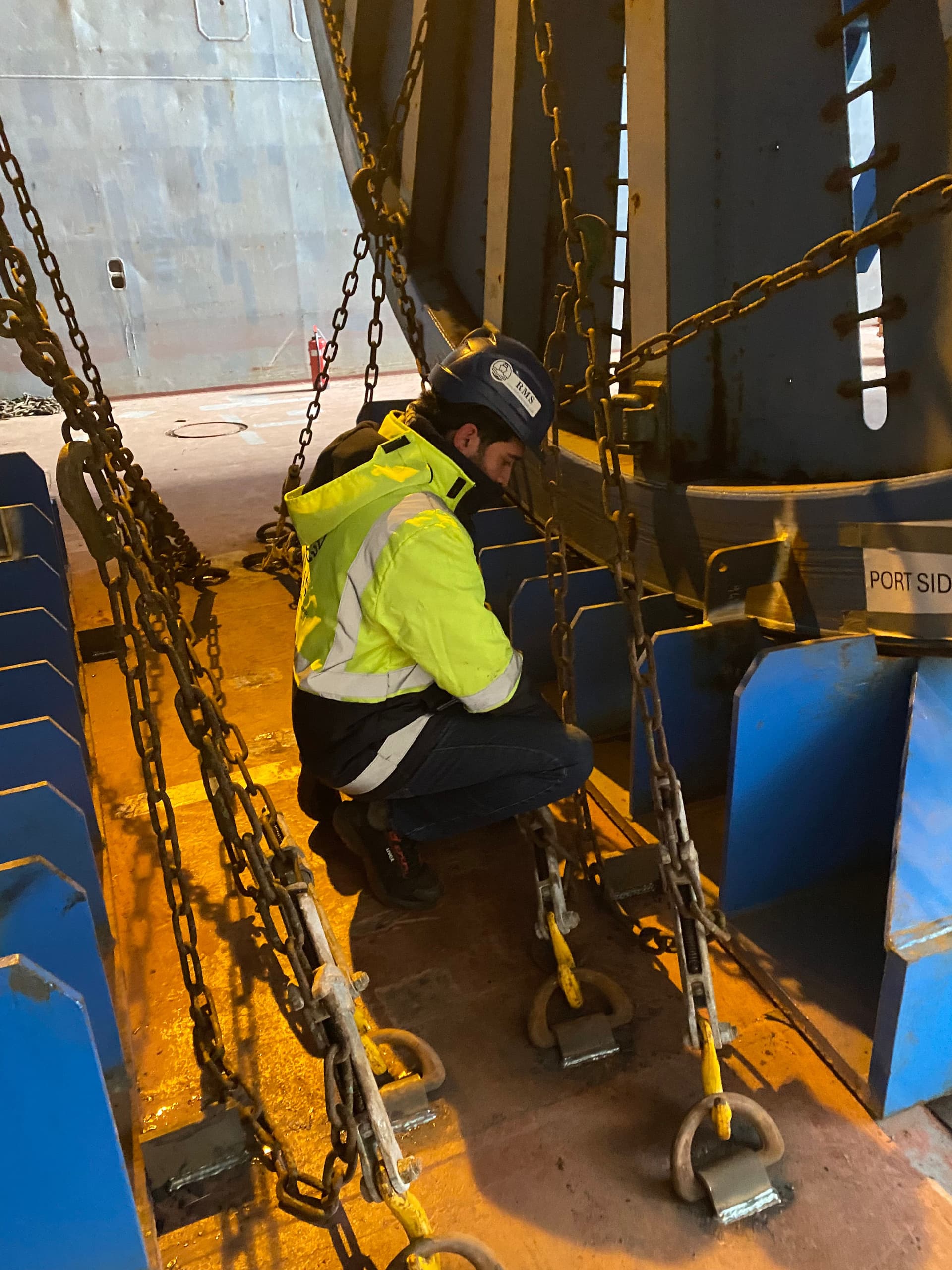
Cargo lashing and securing failures remain one of the most common root causes behind cargo shift incidents, structural damage, and near-miss casualties at sea.
While the regulatory framework governing lashing and securing has not fundamentally changed, 2025–2026 marks a clear shift from tolerance-based acceptance to strict enforcement during Port State Control (PSC), Class surveys, and vetting inspections.
For shipowners, technical managers, and operators carrying heavy, project, or non-standard cargoes, the message is clear:
“We have always done it this way” is no longer an acceptable justification.
As of 2025, lashing and securing compliance is governed primarily by existing instruments:
- SOLAS Chapter VI & VII – Carriage of cargoes and special cargoes [1]
- CSS Code (Code of Safe Practice for Cargo Stowage and Securing) – Mandatory under SOLAS [2]
- Class Society Rules & IACS Unified Interpretations – Structural and welding requirements [3]
Importantly, no brand-new IMO convention specific to lashing entered into force in 2025–2026.
However, the enforcement philosophy has changed significantly.
The focus has moved from the existence of documentation to evidence based verification of actual onboard practices.
What Inspectors Focus on in 2025–2026Recent PSC and vetting trends show a consistent inspection pattern:
1. Plan vs. RealityInspectors no longer accept approved lashing plans at face value. They now verify:
- Whether securing arrangements match the approved plan
- Chain angles, attachment points, and stopper locations
- Actual loads versus assumed design loads
A compliant plan that is not correctly implemented is increasingly recorded as a deficiency.
2. Heavy & Project Cargo Under the MicroscopeFor reels, skids, offshore equipment, and abnormal cargoes, enforcement has tightened further.
Key inspection questions include:
- Are engineering calculations available onboard?
- Are welded stoppers designed for calculated loads?
- Was welding carried out under an approved procedure?
- Is NDT evidence available where required?
Experience-based or “rule-of-thumb” securing methods are no longer sufficient on their own.
3. Temporary Solutions Becoming Permanent FindingsOne of the most visible trends in 2025 is zero tolerance for indefinite temporary arrangements.
Common red flags:
- “Temporary lashing” remaining in place for multiple voyages
- Temporary welded stoppers without removal or Class approval
- Voyage-based arrangements not reassessed for subsequent sailings
Such findings are increasingly escalated from minor remarks to detainable deficiencies when repeated.
4. Lashing & Securing as an SMS IssueLashing and securing is no longer viewed purely as a deck operation.
Inspectors now expect alignment between:
- Safety Management System (SMS) procedures
- Risk assessments and permits to work
- Actual onboard execution
Mismatch between documented procedures and real practices is a frequent basis for deficiencies.
Practical Implications for Shipowners and Technical ManagersFrom a technical management perspective, lashing and securing now sits at the intersection of:
- Structural integrity
- Welding quality
- Documentation and recordkeeping
- Crew awareness and training
Failures in any one of these areas can result in PSC detention, vetting rejection, or Class remarks.
Recommended Practical ApproachBased on recent inspection outcomes, the following actions are strongly advised:
- Conduct pre-PSC and pre-vetting inspections with specific focus on securing arrangements
- Treat heavy cargo securing as an engineering task, not a routine operation
- Ensure welded stoppers are supported by calculations, approved procedures, and inspection records
- Eliminate long-standing “temporary” solutions through permanent, Class acceptable rectification
- Align SMS procedures with real onboard practices and crew habits
At RMS Ship Repair, our teams are composed of former Chief Engineers and Technical Superintendents who understand lashing and securing not only from a regulatory standpoint, but from real operational conditions at sea.
We support shipowners and managers with:
- Engineering-based lashing and securing solutions
- Onboard inspections and compliance assessments
- Afloat welding and permanent structural modifications
- PSC, vetting, and Class-oriented rectification strategies
On Time, On Site, On Your Side.
References[1] IMO – SOLAS Convention, Chapter VI & VII, Consolidated Edition (as amended)
[2] IMO – Code of Safe Practice for Cargo Stowage and Securing (CSS Code)
[3] IACS – Unified Interpretations and Class Society Rules related to cargo securing and structural modifications